Aftercare as nervous system regulation
Aftercare is not optional kindness. It is the physiological off-ramp from intense autonomic activation — and it looks different for every nervous system.
James Okonkwo
Consent & Communication Editor
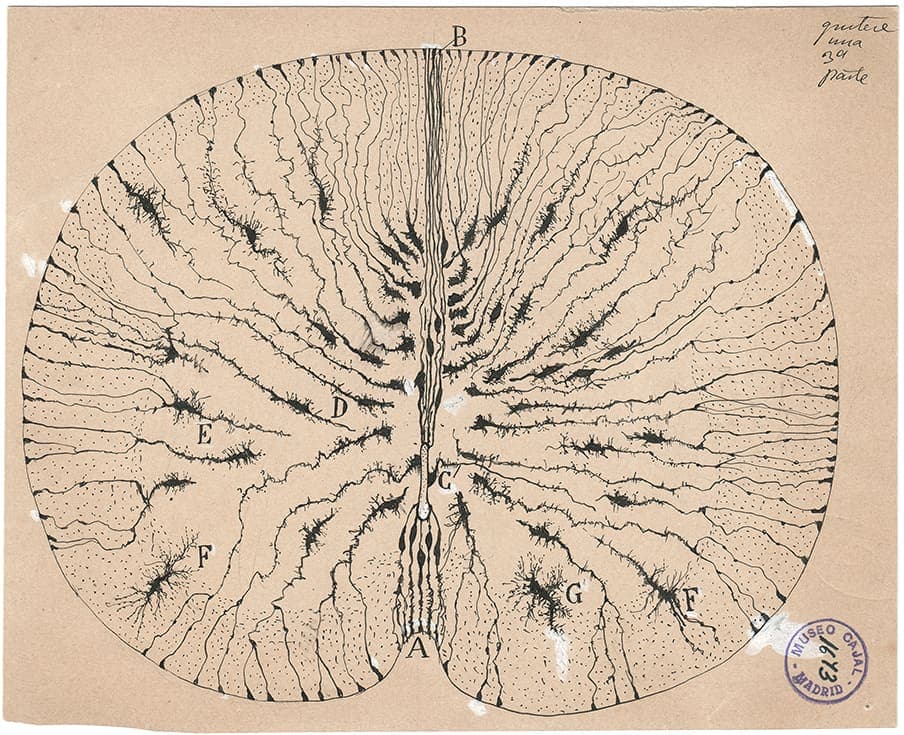
Plate I — Glial cells of the mouse spinal cord
If you treat aftercare as a nice extra, you are leaving physiology unfinished.
What aftercare actually does
Intense kink play produces autonomic activation: elevated heart rate, cortisol release, altered pain processing, shifts in oxytocin and endorphins. Aftercare supports parasympathetic rebound — the return to baseline that allows memory integration, emotional processing, and relational repair.
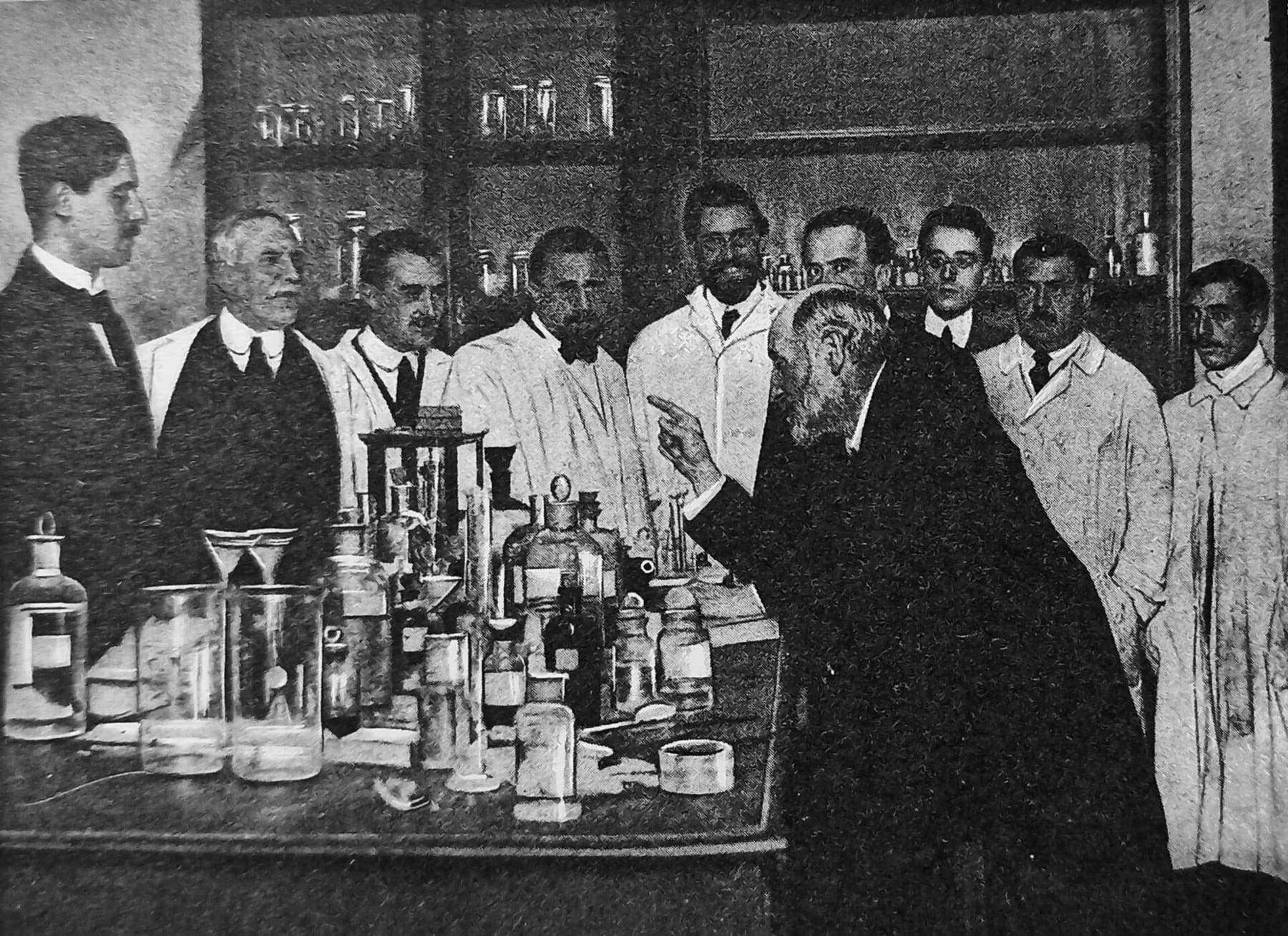
Cajal teaching in his Madrid laboratory, c. 1910. Aftercare has the same atmosphere: quiet light, deliberate hands, the work of clearing and repairing after intensity.
Without it, partners may report drop hours or days later: irritability, sadness, dissociation, or relationship conflict that seems disconnected from the scene itself. This is not drama. It is delayed neurochemical and autonomic processing.
One size fits none
Aftercare protocols vary:
- Physical: warmth, hydration, weighted blankets, gentle touch
- Verbal: reassurance, debrief, explicit appreciation
- Spatial: quiet, dim light, reduced stimulation
- Temporal: some people need minutes; others need days of low-intensity connection
Experienced partners negotiate aftercare with the same seriousness as scene content. "What do you need if you drop?" is a standard question among skilled practitioners.
For tops and bottoms both
Drop affects dominants too — sometimes called "top drop" — via complementary mechanisms: adrenaline crash, responsibility hangover, disorientation after intense focus. Aftercare is bidirectional, even when asymmetrical in form.
Build aftercare plans into negotiation. Review them in debrief. Update them as you learn each other's nervous systems.
This is not softness. It is craft.
- James Okonkwo — Consent & Communication Editor
- 8 minutes
- None cited
- Glial cells of the mouse spinal cord — Santiago Ramón y Cajal, 1899. Cajal Institute (CSIC), Madrid. Public domain.
- Santiago Ramón y Cajal teaching in his laboratory, Madrid — Unknown photographer, c. 1910. Wikimedia Commons. Public domain.
Continue the inquiry
Related investigations
Reading arousal beyond the genitals
Whole-body arousal maps poorly onto mainstream models. Interoception — reading internal signals — is a trainable skill central to advanced practice.
The parasympathetic case for slowness
Most discourse treats arousal as acceleration. The neuroscience suggests the opposite — that safety, attunement, and deliberate pacing unlock deeper states of pleasure.
Consent as a continuous practice
The binary model — ask once, proceed — fails under scrutiny. For experienced practitioners, consent is an ongoing physiological and relational process.