Consent as a continuous practice
The binary model — ask once, proceed — fails under scrutiny. For experienced practitioners, consent is an ongoing physiological and relational process.
James Okonkwo
Consent & Communication Editor
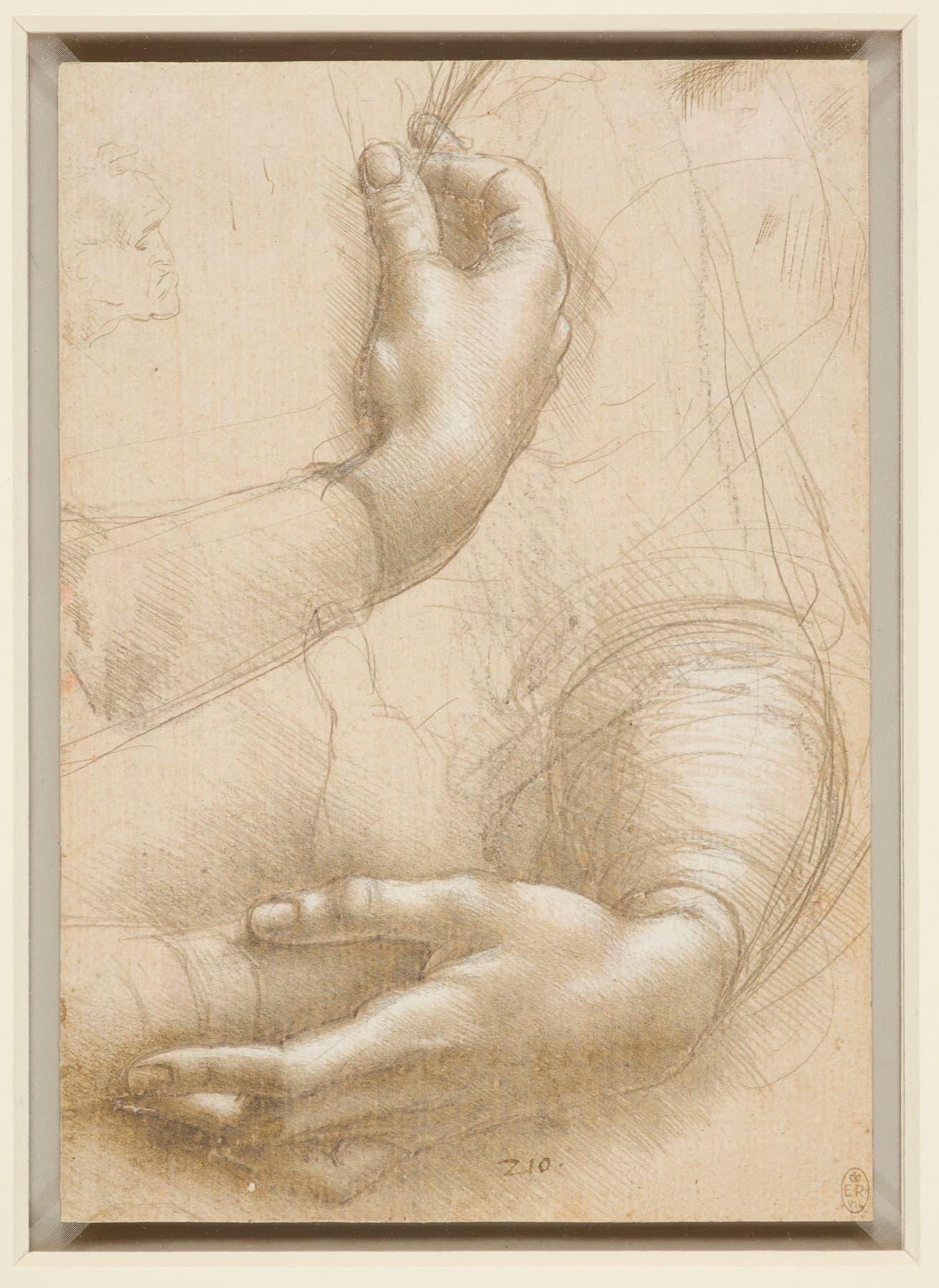
Plate I — A study of a woman's hands
"Did they consent?" is the wrong question. The right question is: are they still consenting?
Beyond the checkbox
Legal frameworks and beginner workshops often treat consent as a discrete event: negotiate, agree, play. This model works for first encounters. It fails in scenes that last hours, in relationships that evolve, and in play that pushes edges most people cannot fully anticipate in advance.
Experienced practitioners know consent is continuous — a live reading of capacity, desire, and safety that updates moment to moment. The neuroscience supports this: consent is not stored in declarative memory alone. It is enacted through real-time interoception and social attuning.
The three layers
Effective consent practice operates on three layers simultaneously:
- Explicit — negotiated boundaries, safewords, written agreements where appropriate
- Implicit — body language, vocal tone, muscle tension, breathing patterns
- Contextual — relationship history, current stressors, substance use, sleep debt

Dürer’s study of an apostle’s hands, c. 1508. Consent’s implicit layer is read the same way: from the musculature of the hands, the set of the shoulders, the breath — before the mouth answers.
Ignoring any layer creates blind spots. A partner who said "yes" an hour ago may be dissociating now. A bottom who forgot to safeword may be frozen, not flying.
Check-ins as technique
Mid-scene check-ins are not mood-breaking if integrated into the rhythm of play. Many experienced dominants use non-verbal check-in protocols: a pressure on the hand, a specific touch pattern, a pause in rhythm that invites a response.
Research on trauma-informed care consistently shows that predictable check-in structures increase willingness to communicate limits — because the bottom knows the top will ask, and asking is normalized, not treated as failure.
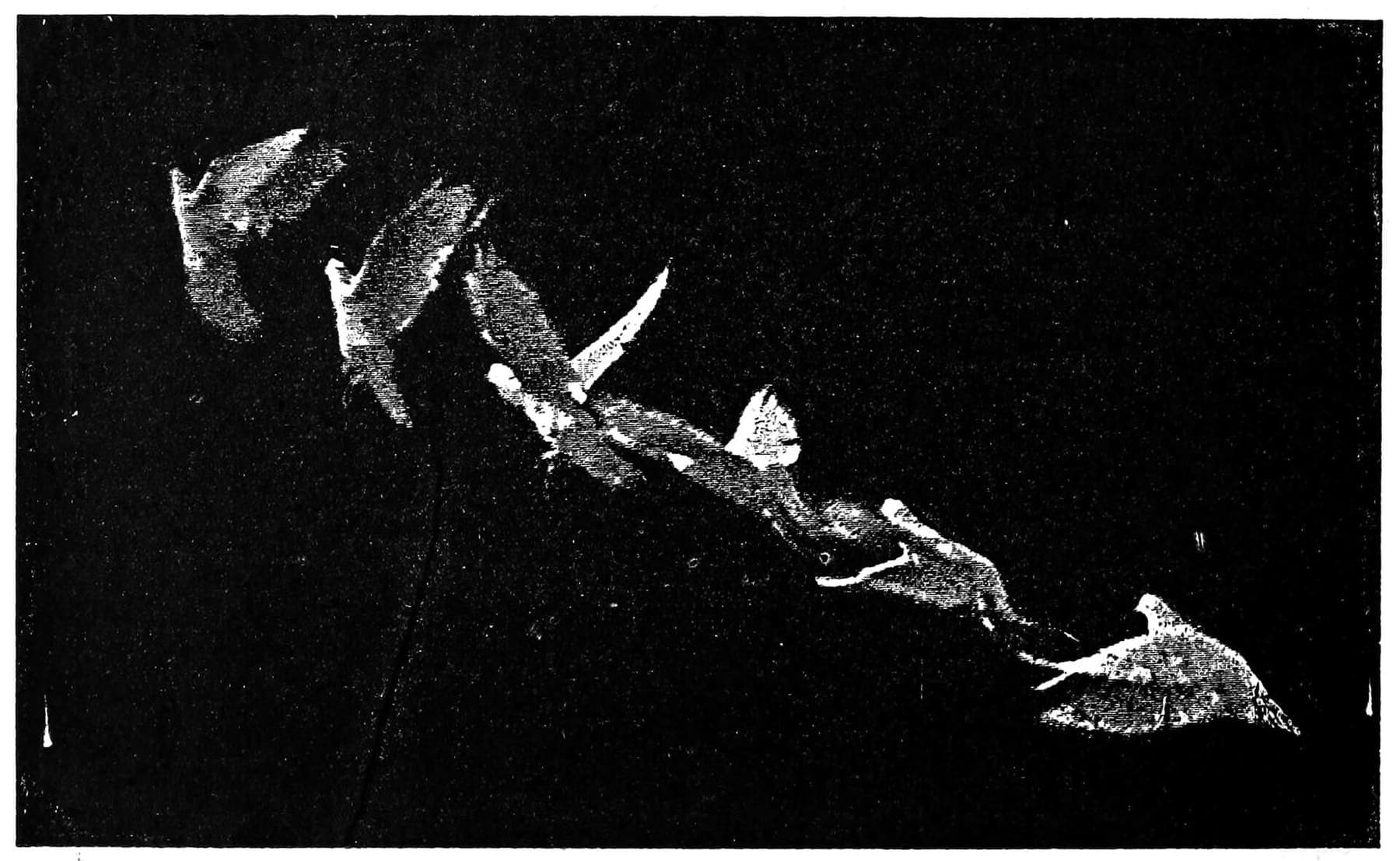
Marey's chronophotograph of a bird in flight, 1885. A check-in protocol works the way a recording instrument works: it samples at regular intervals, whether or not you expect a change.
For educators and community leaders
Stop teaching consent as a gate. Teach it as a skill set:
- Reading autonomic shifts (flushing, pallor, breath-holding, stillness)
- Normalizing "yellow" without shame
- Debriefing after scenes as part of consent, not optional aftercare
NeuraKink's Academy will build structured curricula around these skills. The Journal establishes the why. The practice follows.
- James Okonkwo — Consent & Communication Editor
- 10 minutes
- None cited
- A study of a woman's hands — Leonardo da Vinci, c. 1490. Royal Collection Trust, Windsor. Public domain.
- Study of the Hands of an Apostle (Praying Hands) — Albrecht Dürer, c. 1508. Albertina, Vienna. Public domain.
- Chronophotograph of a bird in flight — Étienne-Jules Marey, 1885. Wikimedia Commons. Public domain.
Continue the inquiry
Related investigations
The parasympathetic case for slowness
Most discourse treats arousal as acceleration. The neuroscience suggests the opposite — that safety, attunement, and deliberate pacing unlock deeper states of pleasure.

The neurochemistry of trust in power exchange
Oxytocin, dopamine, and cortisol interact in ways that explain why structured power exchange can feel profoundly bonding — and why it can go wrong.
Power exchange and the prefrontal cortex
Submission and dominance are not merely roles. They engage distinct cognitive networks — with implications for how we design scenes and debrief afterward.